5 Signs Your Hedges Are Overgrown and Need Attention
Hedges play a vital role in shaping the visual structure and functionality of residential and commercial landscapes. Beyond simply acting as natural borders, they provide privacy, reduce noise, frame outdoor spaces, and enhance curb appeal. When properly maintained, hedges contribute to a polished and organized appearance that reflects attentive property care. However, as seasons change and growth cycles intensify, hedges can quickly shift from being an asset to becoming a source of visual clutter and structural imbalance. Recognizing the early signs of overgrowth allows property owners to maintain both the health of their greenery and the overall harmony of their landscape design. Well-kept hedges also support property identity, helping define boundaries and guide movement across outdoor areas. They create welcoming first impressions for visitors while improving comfort and usability in everyday living environments.
In the landscaping and property maintenance industry, hedge management is considered a foundational practice that directly impacts plant longevity, safety, and property value. Overgrown hedges can obstruct pathways, reduce natural light, and even create conditions that encourage pests and plant diseases. Timely attention not only preserves aesthetics but also prevents costly restoration work in the future. Understanding how to identify when hedges require trimming or reshaping empowers property owners to take proactive steps, ensuring outdoor spaces remain attractive, functional, and environmentally balanced throughout the year. Consistent maintenance also helps landscapes adapt to seasonal changes and varying weather patterns. By prioritizing early intervention and informed care strategies, property owners can sustain vibrant greenery that continues to enhance visual appeal and long-term outdoor performance.
Sign One: Loss of Shape and Structure
Irregular Growth Patterns
One of the earliest and most visible indicators that hedges require attention is the loss of their intended shape and structured landscape presence. Hedges are often planted and pruned to maintain clean lines, symmetrical forms, or specific design features that complement the surrounding landscape beautifully. When growth becomes uneven, branches may extend beyond the established boundaries, creating a disorganized appearance that affects overall property presentation.
Irregular growth can occur due to inconsistent pruning schedules, seasonal growth spurts, or variations in sunlight exposure across different sections. In residential settings, this often results in hedges appearing lopsided or top-heavy, which can detract from the overall aesthetic appeal and visual harmony of the property. Commercial properties may face additional challenges, as poorly maintained hedges can impact brand perception, professionalism, and customer impressions significantly.
Impact on Landscape Design
The structural integrity of hedges contributes significantly to landscape cohesion, visual balance, and organized outdoor space planning. Overgrown hedges can disrupt sightlines, obscure architectural features, and overshadow smaller plants or decorative elements within carefully planned designs. When hedges dominate visual space, the balance between hardscape and greenery becomes compromised, reducing landscape effectiveness.
Maintaining defined shapes ensures hedges continue to serve as complementary elements rather than overpowering features that limit design creativity. Routine inspection and corrective pruning help preserve design intent while supporting healthy plant development and long-term landscape sustainability.
Sign Two: Reduced Light and Air Circulation
Dense Foliage Blocking Sunlight
As hedges become overgrown, dense foliage can begin to block natural light from reaching nearby plants, lawns, or outdoor living areas consistently. This reduction in sunlight may lead to weakened turf growth, diminished flowering potential, or increased moisture retention in shaded zones over time. Over time, these conditions can contribute to mold development, pest attraction, or soil imbalance affecting plant vitality.
In urban environments or compact properties, sunlight management is especially critical for maintaining functional and comfortable outdoor living spaces. Overgrown hedges can unintentionally create shadowed pockets that limit the usability of patios, walkways, garden beds, or seating areas. Identifying these light restrictions early allows property owners to restore openness and maintain plant vitality and growth consistency.
Poor Airflow and Plant Health Risks
Proper airflow is essential for preventing fungal infections and maintaining overall hedge health throughout changing seasonal conditions. Thick, unmanaged growth traps humidity within foliage layers, creating an ideal environment for pests and diseases to thrive rapidly. Leaves may begin to discolor, wilt, curl, or drop prematurely, signaling underlying stress and environmental imbalance.
Strategic thinning and trimming encourage ventilation, reduce disease risks, and support even nutrient distribution throughout the hedge structure. Maintaining airflow not only protects the hedge itself but also safeguards surrounding vegetation and improves overall landscape resilience.
Sign Three: Encroachment on Pathways and Structures
Obstructed Walkways and Driveways
Overgrown hedges frequently extend into walkways, driveways, and entry points, posing both aesthetic and practical concerns for property users. Branches brushing against pedestrians or vehicles can cause inconvenience, scratches, or minor damage during everyday movement. In commercial settings, obstructed access routes may impact safety compliance, accessibility standards, and overall visitor experience negatively.
Encroachment also increases the likelihood of accidental breakage, as passing traffic or routine activities place stress on protruding limbs repeatedly. Regular trimming ensures clear passage, improves safety, and preserves the hedge’s structural integrity over extended periods.
Contact with Buildings and Utilities
When hedges grow too close to walls, fences, or utility fixtures, they can contribute to long-term maintenance issues for property owners. Constant contact with siding or roofing materials may trap moisture, accelerate surface wear, or interfere with drainage systems functioning properly. Additionally, proximity to electrical or lighting installations introduces safety considerations and potential operational risks.
Maintaining adequate clearance supports both plant health and property protection while promoting easier inspection and maintenance access. Thoughtful pruning helps prevent costly repairs while preserving the hedge’s functional role as a natural boundary and privacy screen.
Sign Four: Visible Decline in Plant Vitality
Yellowing Leaves and Sparse Growth
Overgrown hedges may exhibit signs of stress, including yellowing leaves, thinning interiors, or uneven density across various hedge sections. These symptoms often result from competition for light, moisture, and nutrients within overcrowded branches struggling to survive. As outer layers expand, inner sections can become deprived of essential resources, leading to gradual decline in plant vigor.
Early recognition of these changes allows for targeted rejuvenation techniques such as selective pruning, soil improvement, or nutrient supplementation strategies. Addressing vitality issues promptly helps restore vigor, encourage fresh growth, and prevent irreversible structural damage to hedges.
Increased Pest Activity
Dense, unmanaged hedges can attract insects seeking shelter, nesting areas, and feeding opportunities within protected foliage environments. Aphids, mites, and other common pests thrive in environments where airflow is limited and foliage remains undisturbed for long periods. Infestations may spread quickly, affecting nearby plants, lawns, and garden ecosystems while disrupting ecological balance.
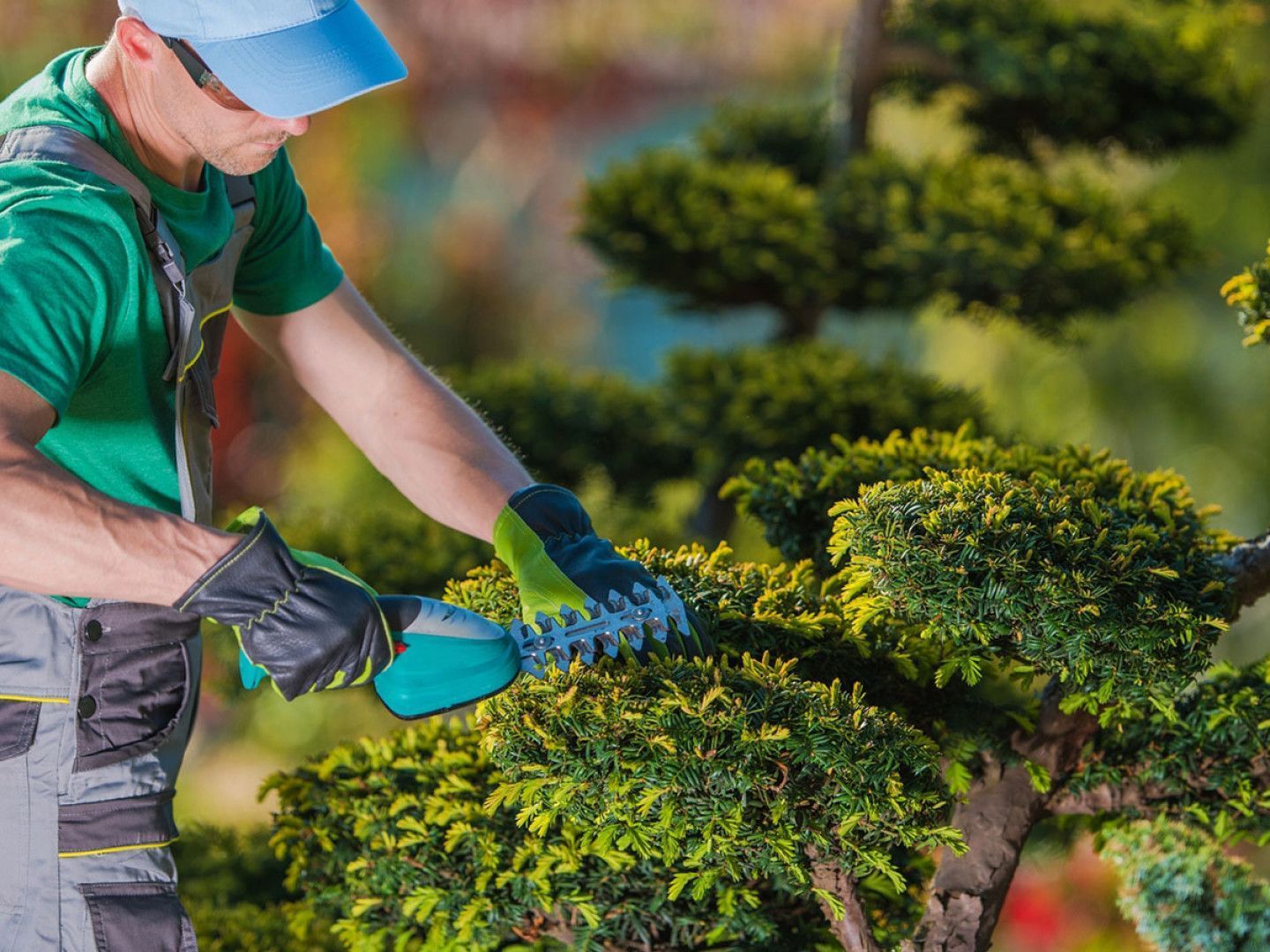
Routine hedge maintenance plays a preventive role by reducing hiding spaces and enabling easier inspection for early pest detection. Integrated pest management strategies become more effective when hedges are kept in optimal condition and properly maintained.
Sign Five: Seasonal Growth Outpacing Maintenance
Rapid Expansion During Growth Cycles
Certain hedge species experience accelerated growth during spring and early summer due to favorable weather and increased sunlight exposure. Without timely intervention, this surge can result in excessive height and width within a short period. Property owners who rely solely on annual trimming may find hedges becoming increasingly difficult to manage effectively.
Adopting a seasonal maintenance schedule ensures growth remains controlled, balanced, and predictable across different hedge varieties. Regular attention minimizes the need for drastic cutting, which can stress plants and alter their natural form significantly.
Long-Term Consequences of Neglect
Allowing hedges to remain overgrown for extended periods may lead to structural weakening, root strain, or uneven canopy distribution issues. In severe cases, heavy top growth can cause branches to split, bend, or collapse under environmental pressures such as wind or snow accumulation. Restoration efforts often require more intensive labor, specialized tools, and professional pruning techniques.
Proactive maintenance preserves both appearance and resilience, enabling hedges to fulfill their intended role within the landscape for years.
Proven Hedge Care Specialists Enhancing Outdoor Property Appeal
Recognizing when hedges are overgrown is essential for maintaining attractive, safe, and sustainable outdoor environments throughout the year. From the loss of shape and restricted airflow to encroachment and declining plant health, these warning signs highlight the importance of consistent monitoring and timely intervention. Well-maintained hedges enhance property value, support ecological balance, and contribute to a welcoming atmosphere for residents and visitors alike. By understanding growth patterns and adopting best practices, property owners can prevent minor issues from escalating into significant maintenance challenges. Proactive hedge care also promotes stronger plant resilience against changing weather conditions and seasonal stress. Maintaining visual order and healthy growth ultimately helps create outdoor spaces that remain enjoyable, functional, and visually impressive over time.
At We Care Tree Care, serving Richmond and Independence, Missouri, our 8
years of experience allows us to deliver dependable hedge care solutions tailored to diverse landscape needs and property expectations. We understand that every property presents unique growth conditions, design preferences, and maintenance goals that require thoughtful attention and planning. Our approach emphasizes careful assessment, strategic trimming techniques, and long-term plant health management to ensure hedges remain both visually appealing and structurally sound. By prioritizing proactive care and professional expertise, we help property owners maintain outdoor spaces that reflect pride, functionality, and enduring value. Whether addressing seasonal overgrowth or implementing routine maintenance plans, we remain committed to providing reliable service and trusted guidance that supports thriving landscapes year after year. Our focus on consistent quality and personalized solutions helps build lasting relationships and dependable outdoor results.