Can Tree Trimming and Removal Really Boost Home Value?
When homeowners think about upgrading their property to increase value, most immediately consider kitchens, bathrooms, or curb appeal upgrades like new paint or landscaping. Yet one of the most overlooked — and surprisingly powerful — contributors to property value is tree care. Proper tree trimming and strategic tree removal can dramatically influence how safe, attractive, and marketable a home appears to buyers. Realtors consistently note that healthy, well-maintained trees signal pride of ownership and long-term care, while neglected trees can raise red flags about risk, maintenance costs, and future damage.
In today’s market, buyers aren’t only looking for beauty — they’re assessing safety, cost of upkeep, and functional outdoor living. Trees that are too close to the home, diseased, overgrown, or poorly shaped can become liabilities. Meanwhile, thoughtfully trimmed trees improve sunlight, lawn health, sightlines, and overall curb appeal. Understanding when to trim, when to remove, and why it matters is essential for protecting property value and long-term investment. Let’s take a closer look at how tree trimming and removal influence home value — and what homeowners should know before taking action.
1. Why Trees Matter to Home Value
Curb Appeal and First Impressions
Real estate professionals agree that buyers form opinions within seconds. Overgrown branches blocking windows, tangled canopies, or dead limbs instantly detract from the home’s appearance, giving the impression of neglect. By contrast, well-shaped trees frame a property, soften hard lines, and make an exterior look cared-for, inviting, and visually appealing to potential buyers. Studies consistently show that homes with mature, healthy landscaping can command higher listing prices because buyers perceive them as higher quality, thoughtfully maintained, and ready for immediate enjoyment.
The Balance Between Shade and Sunlight
Trees provide shade, reduce cooling costs, and create welcoming outdoor spaces — but only when managed correctly and strategically. Excess shade can choke out lawns, promote moss growth, and keep patios damp, limiting their usability. Trimming improves natural light, helps grass thrive, and enhances visibility around the home, creating a safer environment. A brighter yard photographs better, shows better in person, and increases usable outdoor living space — all key factors that directly influence resale value and buyer perception.
2. When Trimming Protects, Preserves, and Adds Value
Preventing Damage Before It Happens
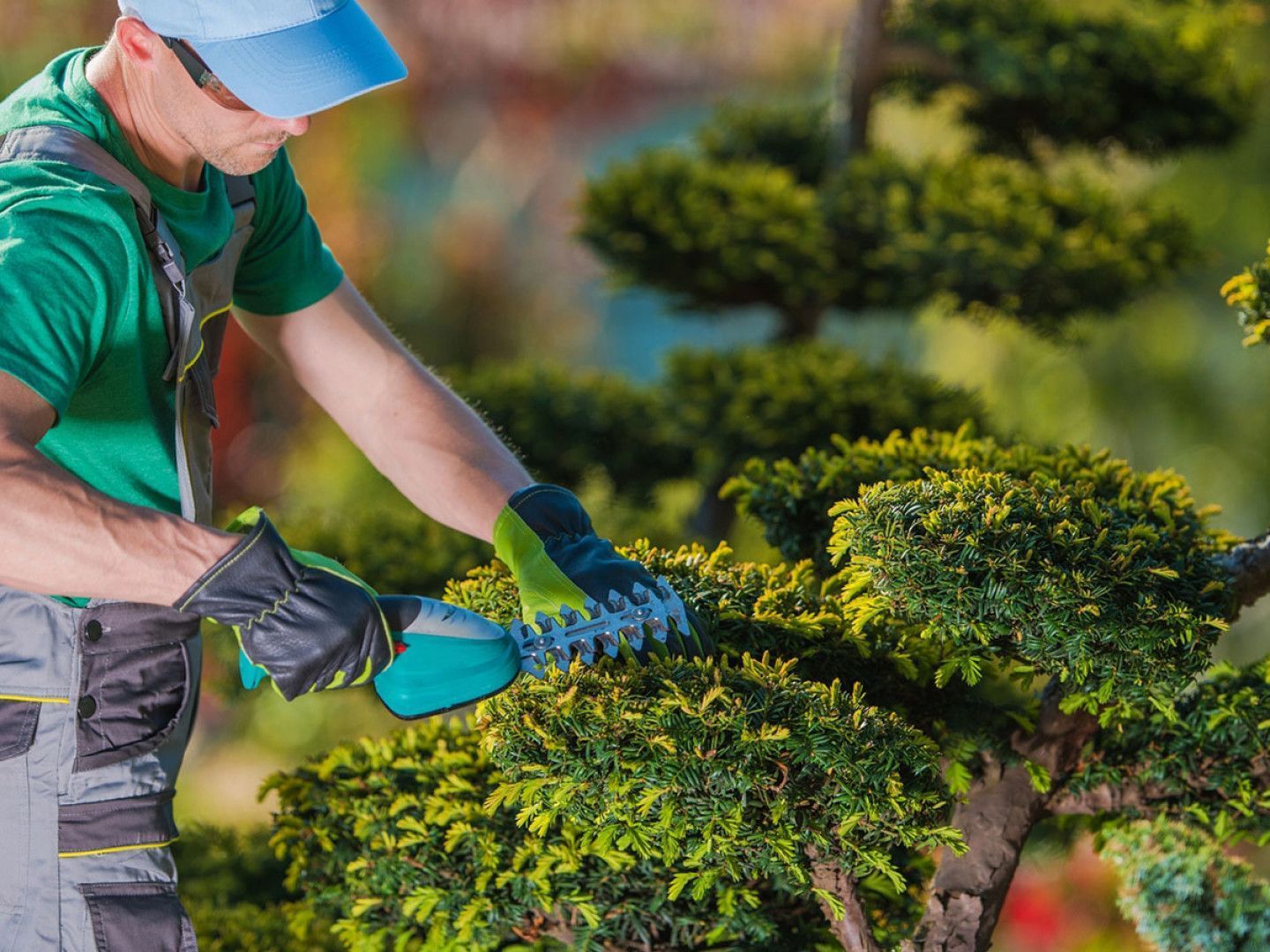
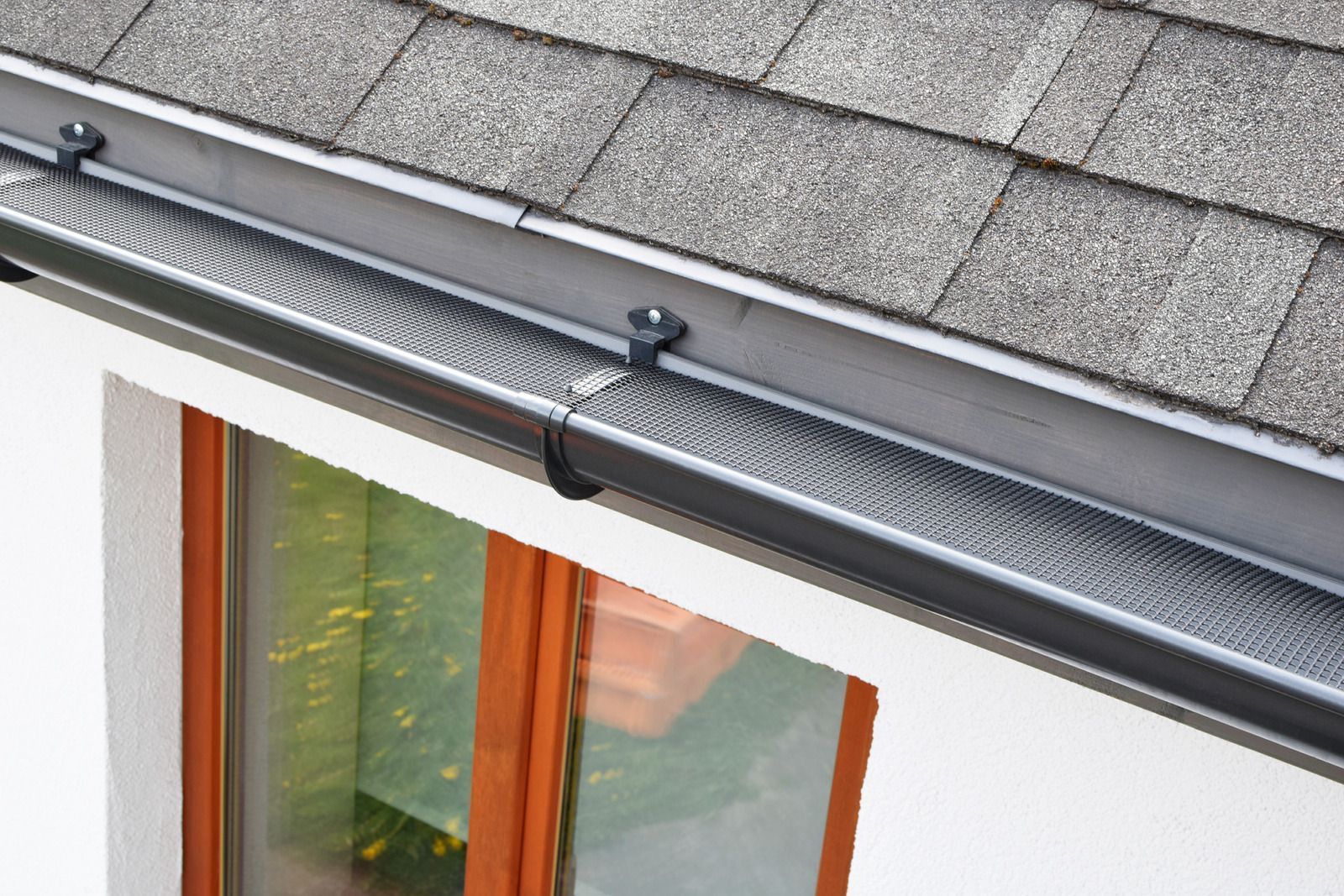
Tree trimming is not just cosmetic; it is essential for long-term safety. Removing weak, cracked, or crossing branches protects roofs, gutters, siding, and vehicles from costly damage. Storm-damaged branches are among the most common causes of insurance claims nationwide. Proactive trimming lowers risk, prevents emergencies, and demonstrates responsible care — something home inspectors, appraisers, and buyers all notice and appreciate during evaluations.
Improving Tree Health and Longevity
Professional pruning encourages stronger growth patterns, reduces disease spread, and allows air and light to reach interior branches for optimal health. This results in healthier trees, fewer falling limbs, and less emergency maintenance over time, protecting both property and investment. Long-term buyers appreciate properties with mature, thriving trees because they add shade, character, and stability to outdoor spaces while also signaling conscientious homeownership.
Opening Views and Property Lines
Trimming can strategically open up views of the street, gardens, or scenic surroundings while enhancing the overall perception of space. It can also clarify property lines, which reduces disputes with neighbors and improves perceived lot size, making homes feel larger. Good visibility not only improves aesthetic appeal but also enhances safety, providing a subtle yet valuable selling point that can positively influence offers.
3. When Tree Removal Actually Makes Sense
Removing Unsafe or Diseased Trees
Not all trees increase value. Dead, dying, hollow, leaning, or insect-infested trees create major liability for homeowners. They can fall without warning, cause foundation issues, or host pests that spread to surrounding vegetation. Buyers may walk away from otherwise appealing homes simply because of anticipated removal costs and ongoing risk. In these cases, removing problematic trees proactively protects the home, investment, and overall peace of mind for both sellers and buyers alike.
Eliminating Trees That Threaten Structures
Trees planted too close to foundations, driveways, or plumbing lines can crack concrete, lift sidewalks, and disrupt sewer systems over time. Larger species pose the greatest risk to both structural integrity and safety. Removal prevents long-term structural issues, reduces costly repairs, and reassures potential buyers that underlying concerns have been addressed prior to listing or inspection.
Making Space for Function and Design
Sometimes removing a single tree allows room for patios, gardens, pools, outdoor kitchens, or safer play areas for children and pets. Modern buyers prioritize usable outdoor living and functional landscaping — if a tree blocks these opportunities, property value may decrease. Smart removal unlocks possibilities for attractive and marketable upgrades that enhance both lifestyle and financial returns.
4. Hidden Risks of Ignoring Tree Care
Insurance and Liability Concerns
Neglected trees can lead to denied insurance claims if insurers determine the homeowner failed to maintain them properly. A leaning tree or visibly damaged limb ignored over time may be considered negligence during claims assessment. Buyers aware of potential liability often negotiate prices down or may even walk away entirely, making tree maintenance a critical component in protecting both home value and liability exposure.
Home Inspection Red Flags
Home inspectors frequently flag tree-related risks, including root damage, roof interference, or canopy issues. Once documented, these concerns follow negotiations and can complicate the sale process. Addressing tree problems before listing allows homeowners to control the narrative, mitigate concerns, and often protect the asking price while improving overall market perception.
Reduced Energy Efficiency and Comfort
Overgrown trees can block airflow, trap moisture near siding, and create dark, damp environments around the home, leading to mildew, pest issues, and uncomfortable living spaces. Controlled trimming restores balance, enhances sunlight penetration, and makes the property feel lighter, healthier, and more livable — improving comfort while subtly increasing perceived value for buyers.
5. Best Practices for Maximizing Value with Tree Work
Work With Certified Professionals
Tree trimming and removal require expertise, specialized equipment, and careful planning. Improper cutting can stress trees, create hazards, or even kill them entirely, reducing both aesthetic and financial value. Certified professionals understand pruning science, safety protocols, and local regulations — all critical for protecting both property and overall investment.
Trim Regularly — Not Reactively
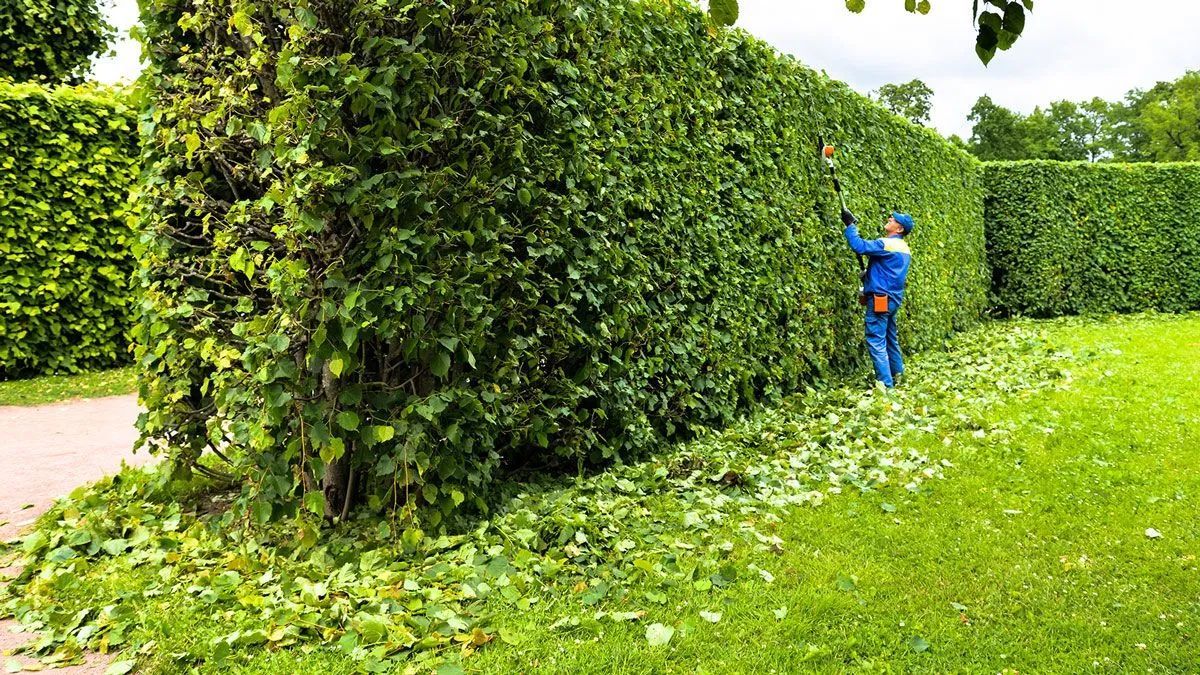
Routine trimming every 1–3 years keeps growth controlled, reduces emergency risks, and helps trees age gracefully while maintaining their visual appeal. Reactive trimming, only after problems arise, often costs more, produces uneven results, and may even compromise long-term tree health, reducing the effectiveness of the investment.
Prioritize Safety Over Sentiment
Many homeowners feel emotionally attached to trees, and understandably so, especially mature or decorative specimens. But when a tree jeopardizes safety, structures, or resale value, objective evaluation matters. Removing one dangerous tree is often better than risking thousands in damage, injury, or liability for both sellers and potential buyers.
Think Long-Term Landscaping Strategy
Tree care should support a long-range plan that aligns with overall property goals. Consider species size at maturity, placement distance from structures, and visibility objectives. Smart planning prevents costly removals in the future, ensures landscaping grows with the property, and enhances functional, aesthetically appealing outdoor spaces that appeal to prospective buyers.
6. Real-World Scenarios That Illustrate Value Impact
Scenario 1: Overgrown Lot to Market-Ready Property
A homeowner preparing to sell had several large trees blocking the façade, casting deep shade, and dropping limbs onto the roof. After selective trimming and removal of one diseased tree, natural light improved dramatically, photos looked brighter, and curb appeal was significantly enhanced. The home attracted more showings, received competitive offers, and sold at full asking price, demonstrating the tangible value of strategic tree care.
Scenario 2: Unsafe Tree Eliminated Before Disaster
Another property had a leaning oak with visible trunk decay located dangerously close to the driveway. A storm eventually split the trunk — but because removal was completed beforehand, no damage occurred. The owner avoided thousands in potential repairs, and buyers appreciated the documented preventive work, knowing they were purchasing a safer, well-maintained property.
Scenario 3: Creating Usable Outdoor Space
One family removed a large tree crowding the backyard, which allowed the installation of a patio, firepit, and enhanced landscaping. The functional outdoor upgrade added significant lifestyle value, improved the aesthetics, and increased resale value far beyond the cost of removal. Buyers were immediately drawn to the improved layout, highlighting the direct financial and practical impact of tree management.
These examples underscore a simple truth: thoughtful tree trimming and removal protect, enhance, and strategically position homes for stronger long-term value.
Trusted Specialists Protecting Homes Through Smart Tree Care
For homeowners seeking expert guidance from a team that treats tree care as both a science and a responsibility, We Care Tree Care
is a trusted partner. Serving homeowners throughout Richmond and Independence, Missouri, the team brings 8
years of experience managing complex trimming, precision pruning, and safe removals with professionalism and attention to detail. Their approach centers on education, honest recommendations, and respect for each property. Whether addressing storm-damaged branches, evaluating a hazardous tree, or developing a proactive maintenance plan, they work to protect homes while preserving the natural beauty of the landscape. Homeowners gain peace of mind knowing every decision is based on safety, long-term tree health, and value protection. From initial assessment through cleanup, the process is efficient, transparent, and focused on results. If you want tree care support you can genuinely rely on, this team delivers dependable expertise and a commitment to quality that stands out.